


The modern data ecosystem doesn’t stand still. It shifts across clouds, evolves with new platforms, and adapts to constant changes in privacy, governance, and customer expectations. Yet, many identity systems remain anchored to rigid architectures, built for a world where data rarely moved and interoperability didn’t matter.
That world is gone.
Today, brands need identity that can move with them: across environments, across partners, across every part of their stack. This is where portability and composability redefine what identity should be.
Identity Can’t Be Trapped Inside a Single System
Legacy identity solutions were built around closed ecosystems, exporting data, processing it elsewhere, and importing it back. Every movement introduced delays, risk, and cost.
But in a world governed by privacy, cloud-native workflows, and real-time activation, that model simply doesn’t work anymore. Data needs to stay where it lives. Identity needs to operate where decisions happen. And systems need to speak the same language without breaking in the process.
When identity is portable, it doesn’t matter whether your stack sits in Snowflake, Databricks, GCP, AWS, or across all of them. The identity layer travels with you.

Composable Architecture Makes Identity Adaptable
Composable architecture isn’t a buzzword, it’s a new design principle. It means that every component of the identity system can plug directly into your data environment, without heavy lifting or re-engineering.
In a composable identity stack, components like:
- ingestion
- resolution
- enrichment
- activation
- measurement
- governance
…all operate independently but seamlessly.
You can upgrade one without breaking the others.
Scale pieces individually, not the entire system at once.
Introduce new partners or replace old ones without rebuilding the foundation.
This is what agility looks like at the data layer.
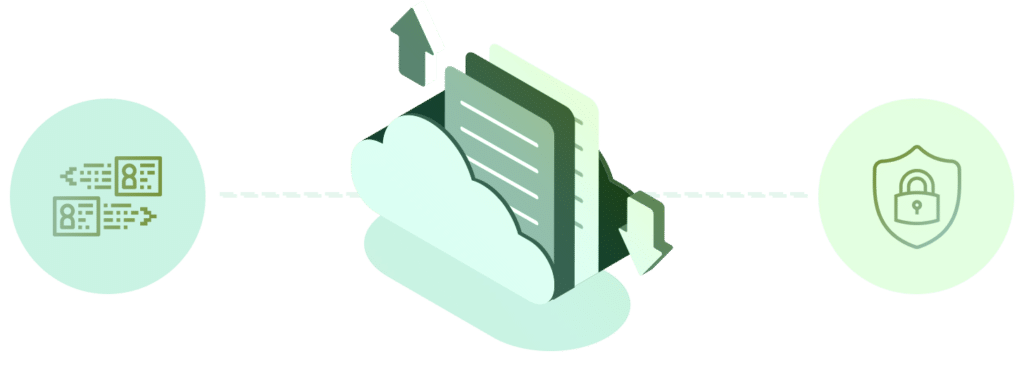
Portability = Performance, Control, and Compliance
When identity is portable and composable, the benefits compound quickly:
Performance: Data moves less. Logic executes closer to the source. Latency drops.
Control: Brands decide how identity logic is applied, not the vendor. You control thresholds, confidence scoring, match logic, and use-case tuning.
Compliance: Data stays in your cloud. Permissions, lineage, and governance remain intact. Auditability improves instead of deteriorating with each handoff.
Portability isn’t just convenience, it’s operational freedom.
The Cost of Being Locked In
Vendor lock-in doesn’t just force brands into outdated systems. It slows innovation, weakens governance, and hinders the ability to adopt new cloud tools or modern data platforms.
When identity is tied to a single environment, every strategic shift becomes expensive. Additionally, every architectural improvement becomes a project. Every innovation becomes a negotiation with your limitations.
Modern brands can’t afford to be locked in, not when customer behavior, regulations, and platforms evolve daily.
Where We Stand
At Audience Acuity, portability and composability aren’t features, they’re the foundation of our architecture. We design for a world where data is fluid, where clouds are interchangeable, and where identity needs to operate natively wherever the brand does.
Our components plug directly into your ecosystem.
Our identity logic travels with you.
And your data stays where it belongs, under your control.
Because the future of identity isn’t about being connected.
It’s about being composable, portable, and free.
 Audience Acuity and Hightouch Announce Strategic Partnership to Power Better Campaigns with Richer Customer Data